
Podcasts have grown in popularity over the recent years, gaining listeners across the United States. The use of podcasts in academic and literary analysis has grown as well, creating a new dynamic of literary criticism which includes oral storytelling. With such podcasts becoming increasingly prescient, the use of them in an academic setting should be discussed.
The podcast “Monstras,” written and narrated by Brenda Salguero and Dr. Orquidea Morales, gives insight into the world of Latinx folklore, particularly in regards to the representation of women. Brenda and Orquidea created the term “monstra” from the Spanish, monstruos, which is the masculine word for monsters. Their new term encapsulates a world where women can be monsters—and are often forced to be.
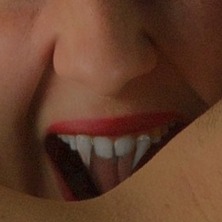
One episode of “Monstras,” “Vagina Dentata,” focuses on a motif that permeates both folklore and literature. Vagina Dentata typically depicts a vagina with teeth or fangs. These vaginas often cut off penises, or even devour men whole. This has been displayed throughout multiple cultures and time periods. More recent examples include films such as “Skins” (2017), “Teeth” (2008), and “Alien” (1978), along with the novels “Necroscope” by Brian Lumely (1986), “Snow Crash” by “Neal Stephenson” (1992) and “American Gods” by Neil Gaiman (2001). Brenda explains the use of the Vagina Dentata motif as an indicator of the perceived danger women pose as sexual beings. She also explains the popular interpretation that the men who conquer women possessing vagina dentatas are a metaphor for the defeat of nature or domination of women. The vagina itself is an important image as a horror concept, as explained in Persephone Braham’s argument that vaginas are “[a] primordial gate, the mysterious divide between non-life and life.” The Vagina Dentata symbolizes the idea that women’s bodies are seen as unnatural or something that needs to be tamed.
“Vagina Dentata” included many of the normal features of podcasts, such as texture, or auditory storytelling elements that create atmosphere. Texture helps further immerse listeners and create an affective feeling. There are no added effects—just the voices of two female academics, allowing the focus to be completely on their conversation. The topic of vaginas is usually seen as an uncomfortable subject. However, analyzing Vagina Dentatas creates an educational, non-taboo discussion. The organization of the episode also added to the texture. It opens with a legend that introduced one example of Vagina Dentata, where a volcano erupted, but the tremors were attributed to a mermaid who would castrate men with her vagina filled with teeth. Legends add a level of believability to stories because of the historical context provided, so opening with a legend increased the credibility of the topic as a whole. Afterward, other myths and narratives including the motif were discussed. In this episode, only Brenda had one prepared. This method recreated how most folktales are told, where one person shares unknown information with another. Because Orquidea had not heard the specific tales shared by Brenda, her reactions were genuine. There were opportunities for the narrators to laugh with each other, make jokes about the subject and add in light-hearted discussion despite the topic being a motif that creates a negative perception of women.
Podcasts are only effective in conveying information or changing the way people think if there are listeners, making the audience one of the most important parts of the podcast. The typical audience of “Monstras” is mostly Latina women, with most of the examples used to explain the Vagina Dentata motif being centered around indigenous or Latin folklore. These factors draw those who have been historically excluded from academia into discussion about a motif that is prevalent throughout their cultures. “Monstras” is narrated in English with occasional Spanish phrases, which are often names of places, people or excerpts from texts. This reveals the origin of the myths told and the backgrounds of the narrators as well. In one section of the podcast, Brenda reads directly from a piece of Latin literature in Spanish, after which she says, “. . . for those of you who don’t speak Spanish or don’t understand my terrible reading of that, it’s essentially. . .” Her acknowledgment that all of the listeners might not know Spanish shows that although the podcast is about Latinx folklore, it is not exclusively for those that are familiar with Spanish or Latinx cultures. The use of different languages and inclusion of different cultures creates a space for inclusive academic discussion.
Women, especially in the academic space, having the chance to talk about subjects that many think are obscene or detrimental is necessary. It empowers women by allowing them to reframe a harmful narrative. By including these podcasts in academic discussions, they can be understood as another mode of academic discourse, one that often breaks expectations and discusses normally untouched topics.
Categories: Culture

 The Texas Orator