
As tensions continue to rise in the Middle East amid active military confrontation between the United States and Iran, conversations of nuclear diplomacy have reentered both political and strategic discourse. The potential revival of the Iranian Nuclear Deal, formally known as the Joint Comprehensive Plan of Action (JCPOA), is presented as a stabilizing force for both regional and global security, particularly for the United States and its allies. In reality, reviving the deal under current wartime conditions risks undermining deterrence, rewarding escalation, and allowing Iran to continue advancing its nuclear capabilities while the international community seeks short-term stability.
This issue now extends far beyond traditional arms control theory and instead reflects an immediate strategic question about deterrence, escalation management, and regional stability. It directly affects U.S. military personnel deployed in the region, the credibility of American deterrence, the security of key allies such as Israel and Gulf partners, and the stability of global energy markets already strained by conflict. In a moment when American forces are engaged in confronting Iranian military capabilities, the question is no longer whether diplomacy is desirable, but whether diplomacy without leverage is dangerous.
The JCPOA, which concluded in 2015, was intended to curb Iran’s nuclear program in exchange for sanctions relief. Under the agreement, Iran would limit uranium enrichment and allow international inspections if the United States and its partners lifted sanctions worth billions of dollars. However, the agreement began to unravel amid concerns that Iran continued destabilizing regional behavior while exploiting structural weaknesses in the deal, particularly sunset clauses, limited inspection authorities, and enforcement gaps that critics argued Iran could use to its advantage. Since the U.S. withdrawal in 2018, Iran has significantly expanded its nuclear program and publicly acknowledged its technical ability to produce a nuclear weapon if it chose to do so.
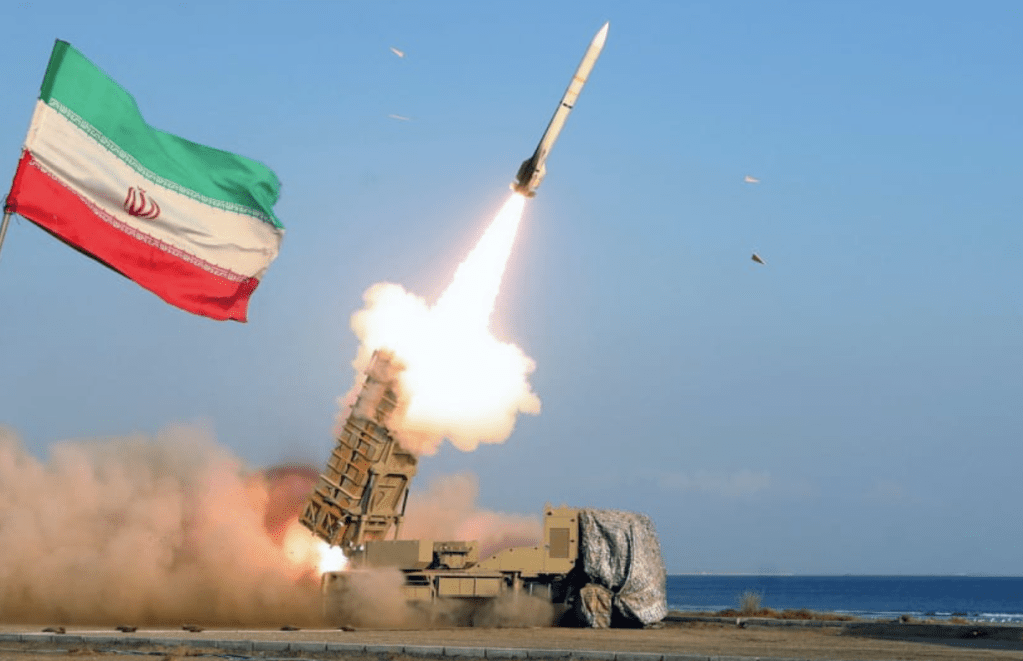
The current conflict only reinforces the strategic risks that critics of the agreement warned about. Recent military operations have demonstrated both Iran’s continued missile capabilities and its willingness to retaliate against U.S. and allied interests across the region. Even after sustained strikes targeting Iranian military infrastructure, Tehran has maintained drone and missile capabilities capable of threatening U.S. bases and regional partners. These realities highlight a fundamental problem: Iran’s military and nuclear ambitions have progressed despite years of diplomatic engagement.
Perhaps the most dangerous consequence of reviving the deal now is the financial windfall it would grant Iran at a time when resources directly translate into military resilience. Sanctions relief would release vast sums of money that could strengthen Iran’s defense networks, proxy forces, and asymmetric warfare capabilities, reinforcing long-standing concerns among Israeli and U.S. officials that financial concessions may indirectly strengthen Iranian-backed groups such as Hezbollah and Hamas within Tehran’s broader regional strategy.
Iran’s accelerated nuclear progress further undermines the logic of reviving the JCPOA. The agreement, based on the assumption that Iran lacked sufficient enriched uranium to rapidly produce a nuclear weapon, no longer holds. Iran has enriched their uranium stockpile to levels approaching weapons grade and reduced its breakout timeline to a matter of months rather than the roughly one-year buffer envisioned under the original JCPOA framework. Negotiating sanctions relief under these conditions does not restrain Iran’s nuclear ambitions. It risks signaling that nuclear advancement creates negotiating leverage rather than consequences.
Growing skepticism among U.S. allies reflects this reality. The United Kingdom, among other countries, has been reluctant to lift sanctions and has emphasized the urgency of preventing Iran from acquiring nuclear weapons. This hesitation reflects a broader concern among Western partners that returning to the agreement without stronger enforcement mechanisms would repeat the same structural weaknesses that allowed Iran to advance its capabilities in the first place.
Beyond nuclear proliferation, the revival of the JCPOA carries broader geopolitical consequences in the context of ongoing conflict. War between the United States and Iran has already contributed to rising oil prices, disruptions in shipping routes, and growing instability across the Middle East, including proxy escalations and increased pressure on already fragile regional security arrangements.
These pressures strain alliances and create opportunities for strategic competitors, such as China and Russia, to benefit from regional instability and shifting energy markets.
The debate over the Iran nuclear deal is often framed as a false dichotomy between diplomacy and confrontation. Strong diplomacy depends on credible leverage, consistent enforcement, and a clear understanding of adversary behavior. Diplomacy that ignores violations, rewards noncompliance, and restores financial resources to a hostile regime during active conflict does not promote peace. It risks prolonging instability.
Reviving a flawed agreement during an ongoing confrontation would send a dangerous signal not just to Iran, but to every adversary watching how the United States responds to nuclear brinkmanship. If escalation results in concessions rather than consequences, the lesson for revisionist states will become clear.
Strategic patience is not the same as strategic denial. The United States must recognize that agreements signed under different geopolitical conditions cannot simply be revived as if nothing has changed. The risks to American forces have also fundamentally shifted. Since 2015, Iran has improved its missile precision, expanded its drone capabilities, strengthened proxy networks, and moved closer to nuclear threshold capability. At the same time, great power competition has intensified, regional normalization agreements have reshaped alliance structures, and conflicts in Ukraine and the Middle East have demonstrated how quickly regional wars can internationalize. These developments mean the strategic environment surrounding the JCPOA is far more dangerous than when it was originally negotiated.
Reviving a failed agreement under more dangerous conditions is not strategic foresight, but a case of dangerous negligence
Categories: Foreign Affairs

 The Texas Orator