
Content warning: strong language
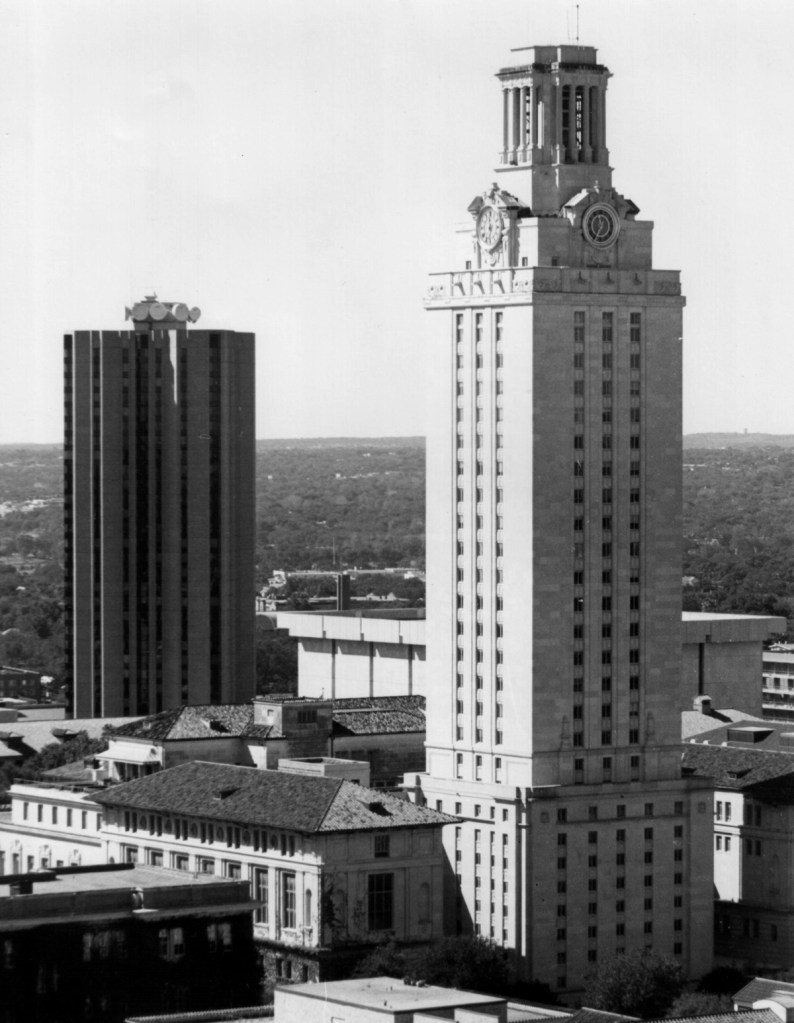
As if we all needed yet another reason to let out an exasperated sigh at Greg Abbott and his posse of irksome lawmakers, 2023 marks the end of Diversity, Equity, and Inclusion (DEI) initiatives in public universities. Our wonderful representatives decided to spend part of the general session this year — which our tax money pays for, folks — fighting the big, bad, scary leviathan that is diversity. Lock your doors! Hide your children!
Senate Bill 17, which goes into effect January 1, requires “universities to close their diversity, equity and inclusion offices,” bans “mandatory diversity training,” and restricts “hiring departments from asking for diversity statements.” It would also revoke a year’s worth of funding for schools that don’t comply. In other words, the major strides made due to affirmative action, reforms in education policy, and general social reckoning have gone to shit.
What this means, for UT Austin at least, is that people will lose jobs. Student organizations will lose funding. Underrepresented students, whether regarding gender, sexuality, or race, will lose representation and opportunities. Some fun examples of this impeccable choice? The Division of Diversity and Community Engagement will now be called the Division of Campus and Community Engagement. Within the newly minted DCCE, organizations like the Fearless Leadership Institute (FLI), which focuses on giving Black women a space for community and professional development, will lose ties to the department.
Republicans insist that schools should use merit-based initiatives rather than highlighting our differences. For a group of people so dead set on “facts over feelings,” it sure seems like conservatives are getting pretty offended at the mere possibility of minority groups succeeding. So let’s discuss the facts. UT is already a predominantly white university (PWI). Hispanic people, who make up 40% of Texas, make up 24% of the university, and UT is only 4% Black, compared to 12% of Texas. From The Texas Tribune, “Texas’ public universities have diversified as the state’s demographics have changed over the past decade. But while schools have more Hispanic students now, change has been slow. Black student populations have remained virtually unchanged.” In what world would reducing DEI initiatives help bring more students of color into these spaces? Our legislators continue to take massive steps backward.
Although affirmative action is its own deal, it would be hard not to rope it into this discussion, especially considering the U.S. Supreme Court’s decision this year to essentially outlaw it. First, the minorities that have historically been helped the most by affirmative action aren’t racial minorities, but white women. So when Texas Republicans want to cut DEI initiatives that help underrepresented groups, they fail to realize that current measures are already not nearly enough. Stanford scholar Anthony Lising Antonio writes that he is “troubled by the disregard, if not rejection, of the now-decades of science that illustrates how racial diversity provides educational benefits to individuals and society.” Cutting off affirmative action and DEI when the initiatives haven’t even reached their full potential is like taking a cast off only days after breaking your arm: of course it’s still broken, you didn’t give it time to heal.
So instead of gutting affirmative action, let’s talk about how to make it more effective. In an opinion piece from CNN entitled “Keep affirmative action but reform it,” Richard Sander and Stuart Taylor Jr. write,
“Two reforms seem to us particularly important: Find a way to limit the overall size of racial preferences, and mandate a thorough transparency at any university that wants to use them. Limiting the size of racial preferences means making smaller, race-based adjustments to applicant qualifications – or, to put it differently, not ignoring very wide differences in academic preparation across racial lines. And by transparency we mean three things: Disclose to applicants the way that admissions decisions are made, provide information about how students such as the applicant have fared at that university, and make some form of all this information available to the public and to watchdog groups.”
These, of course, are just a few examples of how to reform DEI and affirmative action. How many more solutions could we — or the lawmakers in charge of problem-solving — come up with if DEI and affirmative action were still legal?
For a state that proclaims to champion freedom, Texas lawmakers are pretty good at legislating our rights away. You want school choice? Sure, we’ll give you the right to send our tax money to private schools, but don’t you dare use it to provide a safe space for minority students. I haven’t even begun to describe the things that the Texas lege could have focused more on this year — corruption, a humanitarian crisis at the border, and a failing power grid, just to name a few — rather than micromanaging public universities. It used to be that both parties at least pretended to care about minorities, but now it seems that some legislators are finally saying the unspoken.
Never in a million years would I think that the people responsible for making our laws would condemn the word “inclusion.” Actually, I’d like to revise my statement: I 100% believe that our lawmakers in Texas, who do not give one shit about their constituents, would do so. It has begun to feel as if during every lege session we are lamenting the liberties we used to be promised. Texas is not the land of the free. Every day we keep these lawmakers in power, we risk the unceasing rollback of our hard-won progress, causing so much more devastation to our own representation and all the progress we have made.
Resources:
SB 17 Explained – The Texas Tribune
Texas Students for DEI (Instagram: @txstudentsfordei)
Categories: Campus Affairs

 The Texas Orator
1 reply »